

Warehouse Software Built Around Every Bin and Client You Store
A warehousing or 3PL business runs on bins and clients, not one big stock number: a zone is filling up, a client's inventory needs to stay separate from the next client's, and dispatch needs to move the right pallet out the right door. TCB Infotech builds that bin-level, client-wise tracking and connects it to your existing ERP or warehouse management system instead of replacing it.
50+ ERP and software projects. Zero failed projects since 2021.
Software scoped to how your warehouse actually operates
Not a generic inventory count. Stock tracked bin by bin and client by client, connected to what you already run.
Every bin, zone and client tracked on its own record
A warehouse's real workload is bin-level: one zone is nearly full, a client's stock needs to stay traceable on its own, and an order needs picking, packing and dispatch out the right door. TCB Infotech tracks stock at the bin and client level instead of one blended inventory number, so nothing gets missed between clients or zones.
- Bin and zone-level occupancy tracked in real time.
- Multi-client stock segregated on separate records.
- Inbound and outbound dispatch tracked against each order.
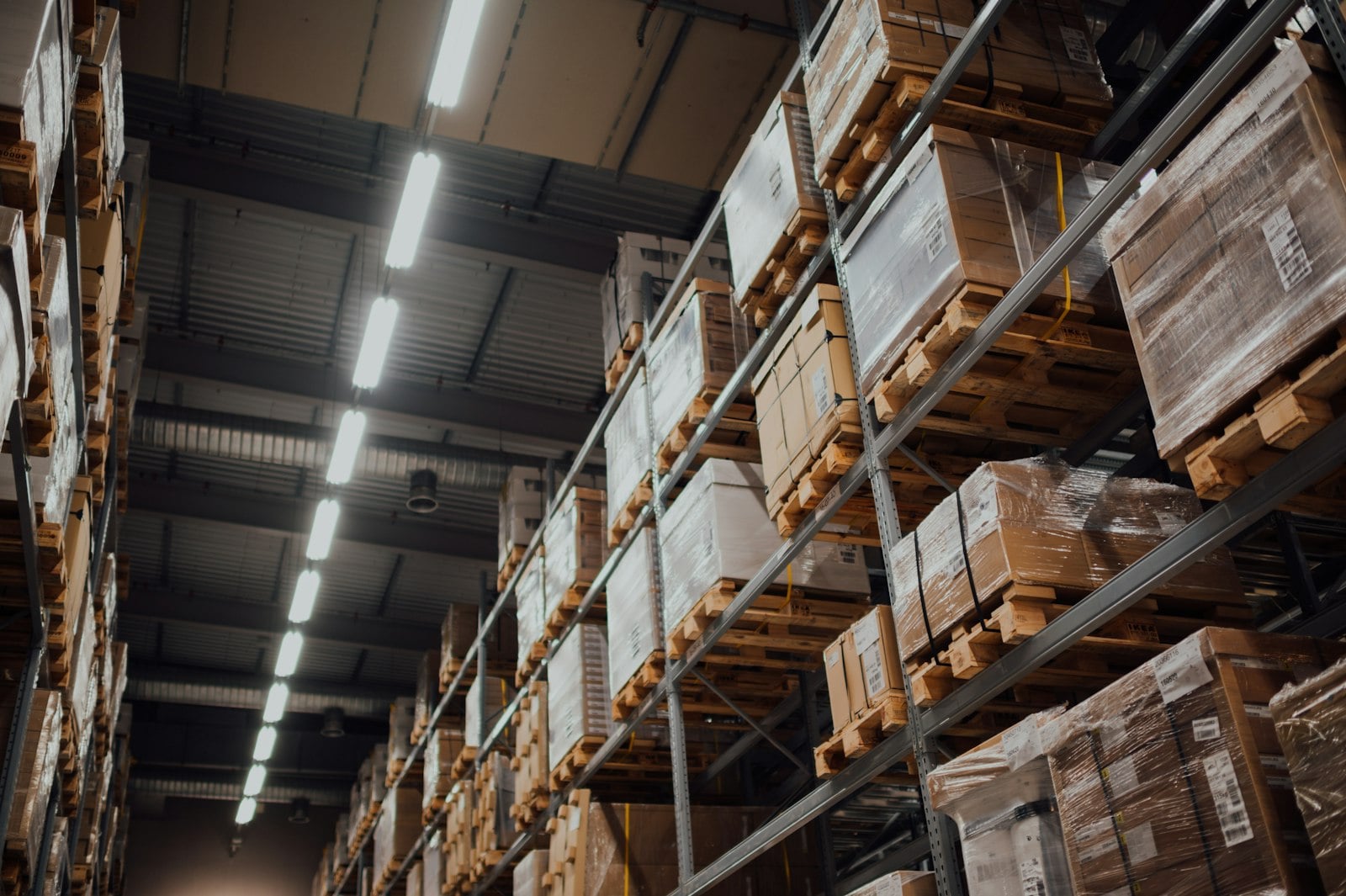
Client billing and dispatch data connected to your existing ERP
A warehouse's ERP usually tracks the stock total, not the bin location or which client it belongs to. TCB Infotech builds the custom software that connects bin-level stock, client segregation and storage or handling billing to that ERP, plus AI automation that flags a zone approaching full or an order at risk of a late dispatch.
- Bin and client data connected to your existing ERP.
- Custom software for the workflow a standard module skips.
- AI automation for capacity and dispatch risk flags.

From your current stock process to a running system
The bin-level and client-wise data your warehouse team needs
Bin & Zone-Level Stock Tracking
Stock tracked down to the bin and zone, so occupancy and location are visible without a manual walk-through.
Multi-Client Inventory Segregation
Each client's stock kept separate and traceable, even when clients share the same warehouse and zones.
Inbound & Outbound Dispatch Tracking
Inbound receipts and outbound dispatch tracked against orders, so nothing leaves or arrives unlogged.
Billing by Storage & Handling
Storage and handling charges calculated from actual bin occupancy and movement, not a flat monthly rate.
Order Picking & Packing Tracking
Picking and packing status tracked per order, so a delayed order is visible before the dispatch deadline.
Vendor & Transporter Coordination
Inbound and outbound transporters coordinated against dispatch slots, tracked alongside warehouse data.
What bin-level tracking changes for a warehousing business
Why warehousing and 3PL businesses run their tracking through TCB Infotech
Warehousing, Answered
What does TCB Infotech actually do for a warehousing or 3PL business?
Does this replace our existing ERP or warehouse management system?
Can it keep each client's stock separated for billing and audits?
How long does a typical warehousing engagement take?
What support do we get once the system is live?
Can ERP integration, custom software and AI be combined into one engagement?
Get Bin-Level Tracking Built for Your Warehouse
Book a free consultation, tell us how your bins, clients and dispatch work today, and we will scope the ERP, software or AI that actually fits.
Book a Free Consultation →No commitment. See a scope before you decide.
Bin, Client and Dispatch Tracking for Warehouses
From a received pallet to a dispatched order. Here is how we track bin-level stock, client segregation and dispatch, connected to your existing ERP.
Receiving, storing and dispatching, in that order
Picking and packing status tracked per order
Each order's picking and packing status is tracked against the bins it draws from, so a delayed order is visible while there is still time to act on it, not after the dispatch window has closed.
- Picking status tracked per order and per bin.
- Packing progress visible before the dispatch cutoff.
- Delays flagged early, not at the loading dock.

Inbound receipts and outbound dispatch on one record
Inbound receiving and outbound dispatch are tracked against the same order and bin data, and coordinated with the transporter, so nothing leaves the warehouse without a matching dispatch record.
- Inbound receipts logged against bin location.
- Outbound dispatch matched to transporter and order.
- Nothing dispatched without a logged record.

Storage and handling charges tied to actual occupancy
Storage and handling billing is calculated from actual bin occupancy and movement per client, connected to your existing ERP, so invoices reflect real usage instead of a flat monthly rate.
- Billing calculated from bin occupancy and movement.
- Charges tracked and reported per client.
- Billing data connected to your existing ERP.

Everything included in a warehousing engagement
Bin & Zone-Level Stock Tracking
Stock tracked down to the bin and zone, with occupancy visible without a manual walk-through.
Multi-Client Inventory Segregation
Each client's stock kept separate and traceable within shared zones.
Inbound & Outbound Dispatch Tracking
Receipts and dispatch tracked against orders and matched to transporters.
Billing by Storage & Handling
Storage and handling charges calculated from actual occupancy and movement.
Order Picking & Packing Tracking
Picking and packing status tracked per order against the dispatch cutoff.
Vendor & Transporter Coordination
Transporters coordinated against dispatch slots and tracked with warehouse data.