TCB Infotech | Expert Odoo & ERPNext Implementation Partner
Schedule Call With Us
AI Finance Automation

Know the True Cost of Every Product You Sell

Most costing sheets are out of date the day after they are made. Our AI pulls raw material, labour, overhead and freight together from your own systems, keeps the number current as prices move, and tells you where your margin is thin.

50+ ERP and software projects. Zero failed projects since 2021.

Product cost breakdown
Illustrative
Steel bracket, batch of 500
Material₹184
Labour₹96
Overhead₹72
Freight₹48
Total landed cost ₹400
4+
Cost layers combined
Live
Costs as prices change
1
Number finance can trust
0
Manual costing sheets
Why It Matters

A stale costing sheet quietly eats your margin

When the real cost of a product is wrong, every price built on it is wrong too. The gap only shows up once the money is already gone.

True Landed Cost

Count everything the product actually costs

Material and labour are easy to see. Overhead, freight, duties and handling are the parts that get left out, and they are often where the margin goes. The AI adds them all in, so the figure reflects what a product really costs to have ready to sell.

  • Raw material, labour and overhead in one place.
  • Freight, duties and landed costs included.
  • A cost you can price against with confidence.
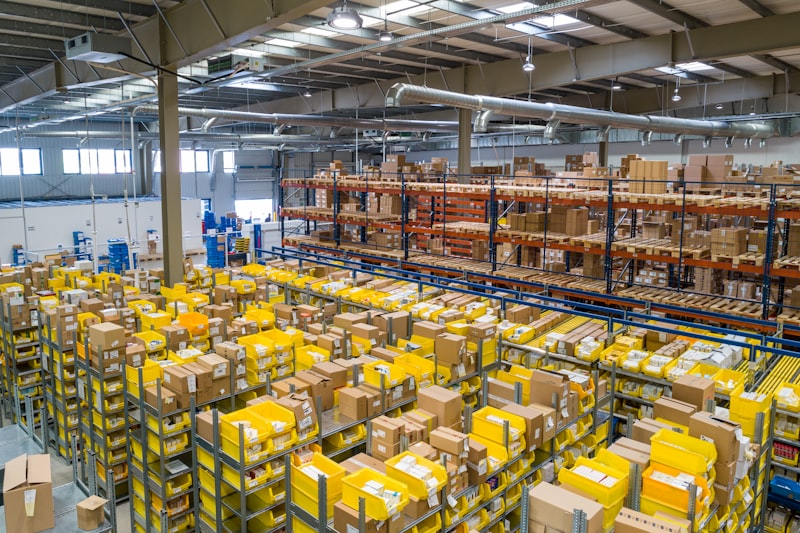
Warehouse stock being counted for product costing
Always Current

Costs that update themselves when prices move

A supplier raises a price, freight goes up, a wage rate changes. Instead of waiting for someone to rebuild the sheet, the AI reflects the change and updates the affected products, so the cost you look at today is the cost as it stands today.

  • Price changes flow through on their own.
  • No waiting on a monthly rebuild.
  • Every product stays current, not just the top ones.
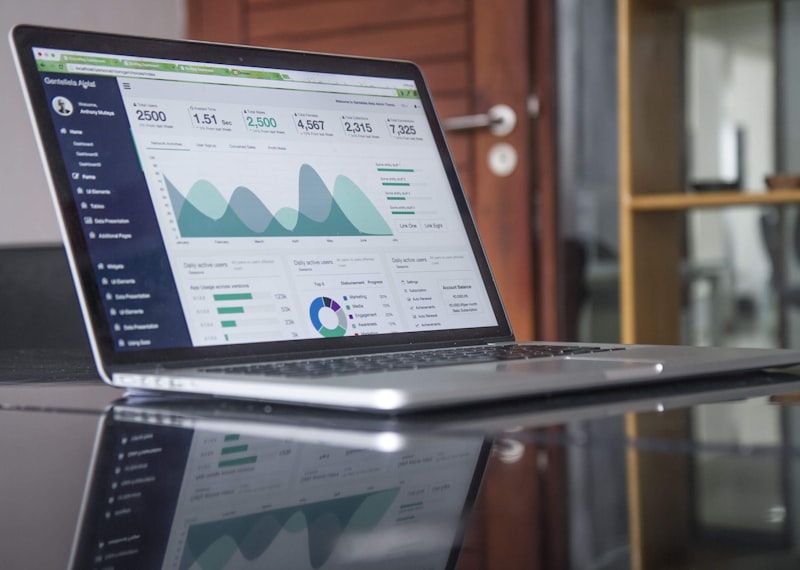
Cost data updating across connected systems
How the Cost Is Built

Every product cost is built from four layers

The AI puts these together for each product and shows how the total is made up, so nothing is hidden inside one lump figure.

📦
Raw material
The cost of the components and inputs that go into the product, priced from your latest purchase records.
🔨
Labour
The work that goes into making it, based on your production data and current rates rather than a rough guess.
🏭
Overhead
The share of running costs each product carries, spread using your own basis instead of a flat percentage.
🚚
Freight and landed costs
Inbound freight, duties and handling that turn a factory cost into what the product truly costs you.
How It Works

From your records to a costing you can trust

1
Connect
We connect to your ERP, purchase and production records, so the AI works from your real numbers.
2
Gather costs
It pulls material, labour, overhead and freight for each product into one place.
3
Calculate
It works out the true landed cost per product and shows how the figure is built up.
4
Keep current
As prices and rates change, it updates the affected products without a manual rebuild.
5
Flag margin
It compares cost against price and flags the products where the margin is thin or slipping.
What It Costs In

The cost layers most sheets leave out

These are the numbers that quietly change the answer. The AI accounts for each one so the total holds up.

📦

Material cost

Components and inputs priced from your latest purchases, not a figure someone typed in last year.

🔨

Labour cost

The real work per unit from your production data, so busy and slow runs are both reflected fairly.

🏭

Overhead share

Running costs spread across products on a basis you control, instead of a blanket mark-up.

🚚

Freight and duty

Inbound freight, duties and handling folded in, so imported and local items are compared honestly.

💳

Wastage and scrap

Yield loss and scrap counted where they apply, so the cost matches what you actually consume.

💰

Price movement

Recent supplier and rate changes carried through, so a rising cost shows up before it hurts.

What Changes

What a trustworthy costing gives finance

True
Landed cost per product
Current
As prices and rates move
Clear
Margin on every product
Early
Warning on thin margins
Less
Time on manual costing sheets
Confident
Pricing and quoting decisions
Why Us

Why teams choose TCB Infotech for cost automation

1
We know the data
We build ERP and software, so we know how to read your purchase, production and finance data correctly.
2
Costing that reflects you
The logic is built on your own basis for overhead and yield, not a generic template.
3
Numbers you can check
Every total shows how it was built, so finance can trace and trust each figure.
4
Model-agnostic
We are not tied to one AI model or vendor. The approach fits your systems, not the other way round.
5
No lock-in
The costing logic stays yours to run and adjust as your business changes.
6
Proven delivery
50+ projects across industries, with zero failed projects since 2021.
FAQ

Product cost calculation questions

What does AI product cost calculation do?
It works out the true cost of each product by pulling together raw material, labour, overhead, freight and other landed costs from your ERP and records. It keeps the number current as prices change and flags products where the margin is thin.
How is this different from a costing spreadsheet?
A spreadsheet is updated by hand, so it drifts out of date the moment a price moves. This keeps the cost of every product current automatically, shows how each number is built up, and does not depend on one person remembering to update it.
Does it include freight and landed cost?
Yes. It goes beyond material and labour to include overhead, freight, duties and other landed costs, so the figure reflects what the product actually costs to have ready to sell, not just the parts you can see easily.
Where does the data come from?
It reads from the systems you already run, such as your ERP, purchase records and production data. It uses your own numbers, so the costing reflects your business rather than a generic template.
How does it help with margin?
Once the true cost is known, it compares that against your selling price and flags products where the margin is thin or slipping. Finance sees the risk early instead of finding it at the end of the quarter.
Is it tied to one AI model or vendor?
No. The approach is model-agnostic and built around your data and processes. You are not locked into a single AI model or tool, and the costing logic stays yours.

See the True Cost of Your Products

Book a free consultation. We will look at your data and systems and show you how AI would build a costing your finance team can trust.

Book a Free Consultation →

No commitment. A practical first look at your product costing.