TCB Infotech | Expert Odoo & ERPNext Implementation Partner

Schedule Call With Us
AI Demand Forecasting

Predict Demand for Every Product and Stop Guessing Your Stock

AI reads your sales history, seasonality and trends and predicts how much of each product you will sell, per location. You get an accurate number and a confidence level for each SKU, so planning, purchasing and production work from one figure.

50+ ERP and software projects. Zero failed projects since 2021.

Running Shoe, Black SKU FTW-4471 · Warehouse North
Confidence 85%
Predicted demand, next 4 weeks 1,240 units Illustrative figure
📈
History
Past sales
🌡
Seasonality
Yearly pattern
📉
Trend
Rising or falling
Per SKU
Forecast per product and location
Shown
Confidence level on every number
Fewer
Stockouts and less dead stock
1
Number for planning and buying
Why It Matters

Guessing demand costs you twice

Order too little and you run out and lose the sale. Order too much and cash sits on the shelf as dead stock. A good forecast fixes both.

Built on Your Own History

Forecasts that match how your business really sells

The model learns from your past sales, your busy and slow seasons, and the direction each product is heading. It reflects your real demand, not a generic industry average, so the numbers make sense to the people who plan and buy.

  • Trained on your sales history per product.
  • Aware of your seasons and promotions.
  • Tuned to your locations and channels.
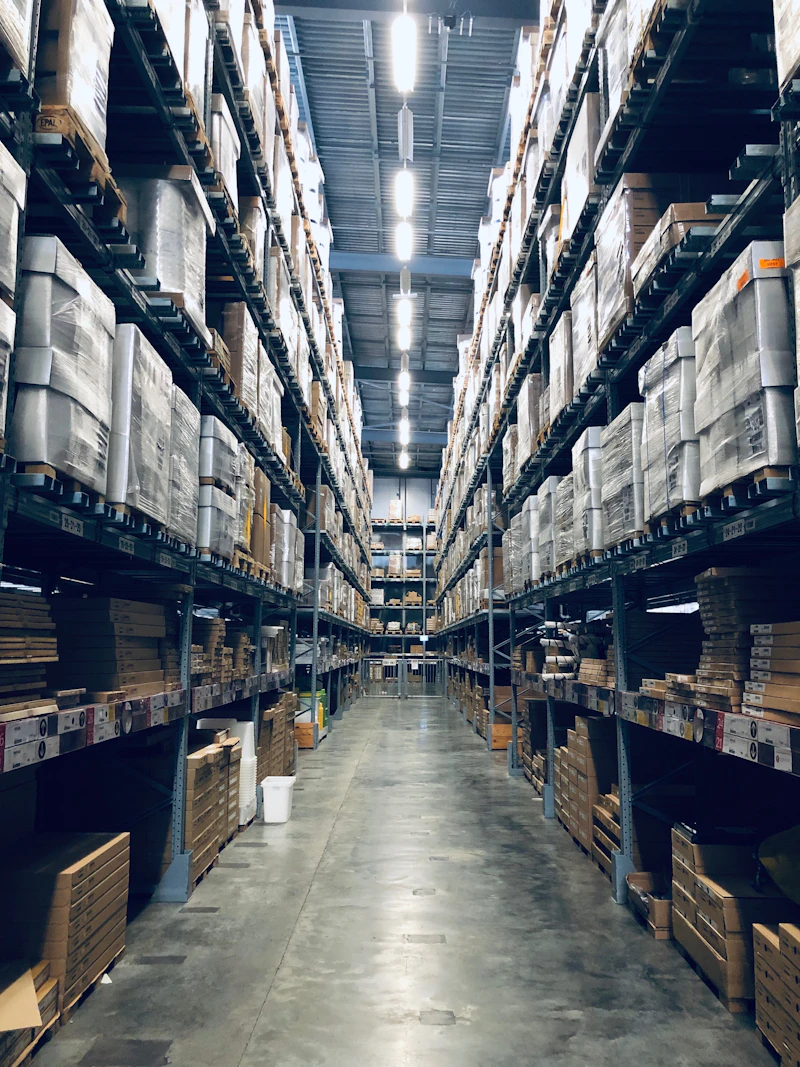
Warehouse shelves stocked with products
One Number for Everyone

Planning, purchasing and production agree on the demand

When sales, planning and the factory each work off a different guess, they order the wrong amounts and blame each other. A single forecast per product, with a confidence level, gives every team one figure to plan against.

  • The same demand number across teams.
  • A confidence level so you know what to trust.
  • Fewer rush orders and last-minute changes.

A planning team reviewing demand figures
What Goes Into a Forecast

Three signals behind every number

The model weighs these together for each product, then updates them as fresh sales come in.

📈
History
How each product has sold over past weeks and years
🌡
Seasonality
Your peaks, dips, festivals and promotion periods
📉
Trend
Whether demand for the item is rising or falling
How It Works

From your sales data to a number you can plan on

1
Connect data
We read sales and stock history from the ERP and systems you already run.
2
Clean and shape
We tidy the history, handle gaps and one-off spikes, and group it per SKU and location.
3
Train the model
The AI learns each product's history, seasonality and trend to predict future demand.
4
Score confidence
Each forecast gets a confidence level, so reliable items and risky ones are clear.
5
Feed planning
The numbers flow back into planning and purchasing, and adapt as new sales come in.
What It Forecasts

Demand answers for the decisions you make weekly

One model, many views, all from the same clean history.

📦

Demand per SKU

A predicted quantity for each product, so you order and make the right amount instead of a round guess.

📍

Demand per location

Separate forecasts for each warehouse, store or region, so stock sits where it will actually sell.

📅

Short and long horizon

Next-week numbers for replenishment and longer views for buying, budgeting and capacity planning.

🌡

Seasonal peaks

Predicted lifts for festivals, weather and promotions, so you prepare stock before the rush, not after.

📉

Rising and falling items

A clear flag on which products are trending up and which are fading, so you invest and clear accordingly.

Confidence on each number

A confidence level per forecast, so planners know which items to trust and which to review by hand.

What Changes

What a good forecast does for your stock

Fewer
Stockouts and lost sales
Less
Dead stock and cash on the shelf
Per SKU
Numbers, not one blanket target
One
Figure across every team
Clear
Confidence on what to trust
Adapts
As demand patterns change
Why Us

Why teams choose TCB Infotech for demand forecasting

1
We know your data
We build and run ERP systems, so we know how to pull clean sales and stock history to forecast on.
2
Model-agnostic
We pick the forecasting method that fits your data, not one vendor's tool. The result is the number, not the brand.
3
Confidence, not black box
Every forecast shows how sure it is, so your planners stay in control of the risky items.
4
Fits your workflow
The forecast feeds back into the planning and purchasing screens your team already uses.
5
Practical, not hype
We start with the products and locations where a better number saves real money.
6
Proven delivery
50+ projects across industries, with zero failed projects since 2021.
FAQ

Demand forecasting questions

What is AI demand forecasting?
It is a model that predicts how much of each product you will sell, per location, from your own sales history, seasonality and trends. It gives a number and a confidence level for each SKU, so planning, purchasing and production work from one figure instead of a guess.
Does it use our own data?
Yes. The forecast is built on your sales history, your seasonality and your trends, pulled from the ERP and systems you already run. It reflects how your business actually sells, not a generic industry average.
How accurate are the forecasts?
Accuracy depends on how much clean history you have and how stable demand is. Every forecast comes with a confidence level, so you can see which items are reliable and which need a human check before you commit stock.
What is a confidence level and why does it matter?
The confidence level shows how sure the model is about each number. High confidence items can be planned automatically. Low confidence items, such as new products with little history, are flagged so a planner can review them.
Do we need to replace our ERP to use this?
No. This is an AI service that reads the sales and stock data from your existing ERP and systems. It sits on top of what you run today and feeds the forecast back into planning and purchasing.
How long does it take to see forecasts?
Once we have access to clean sales history, a first working forecast is usually ready in a few weeks. The model then keeps adapting as new sales come in and demand patterns change.

See What AI Would Forecast for Your Products

Book a free consultation. We will look at your sales history and systems, and show you what an AI demand forecast would look like for your top products and locations.

Book a Free Consultation →

No commitment. A practical first look at your demand data.