TCB Infotech | Expert Odoo & ERPNext Implementation Partner

What Quality Inspection AI Does on Your Line
A camera checks each part, the AI flags what is wrong, and every result is logged to your systems. Here is what it looks at, how it sorts good from bad, and what you keep as a record.
From a camera image to a logged result
It checks each part against your standard
The AI is trained on your own good and bad samples, so it looks for the defects that matter to your product. It catches scratches, missing components, wrong dimensions and print errors on every part, at the speed the line runs.
- Trained on your parts, not a generic model.
- Every part checked, not a sample.
- Sensitivity tuned to catch what matters.
It returns a clear verdict for each part
For every part the AI gives a pass or fail and the reason behind it, so good and bad parts go the right way. The operator sees the verdict on screen, and borderline cases can be routed to a person for the judgement call.
- A pass or fail with the reason attached.
- Good and bad parts sorted the right way.
- Borderline cases sent to a person to decide.

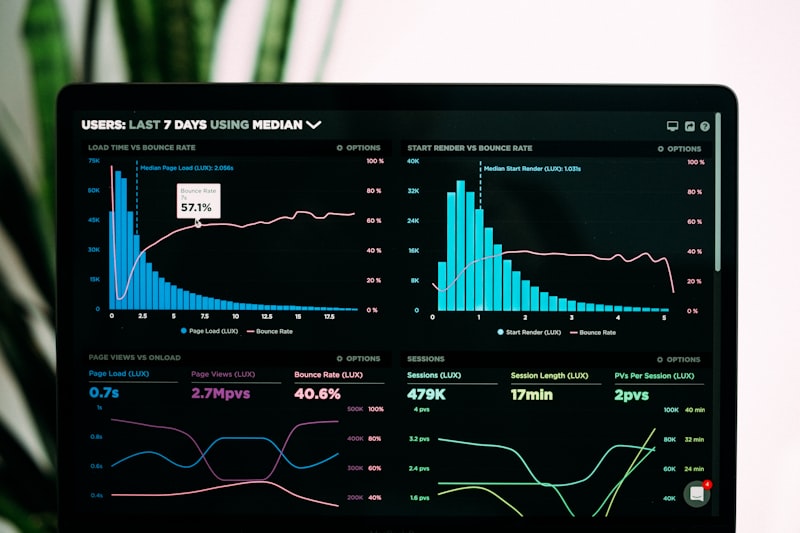
It logs every result to your systems
Each inspection is saved with the image, the verdict and the reason, and written to your ERP or quality system. You can trace by batch, shift, line or product, spot a rising defect early, and show a customer or auditor exactly what was checked.
- Image, verdict and reason saved per part.
- Traceable by batch, shift, line or product.
- A record you can show a customer or auditor.
Everything the inspection AI delivers
Camera-based check
Works with a camera over the line or your inspection station, with little change to how you run.
Line-speed inspection
Checks every part at the pace the line runs, so it adds no slowdown to your throughput.
Defect reason on screen
The operator sees why a part failed, not just that it failed, so action is quick and clear.
Trend and drift alerts
Logged results show a rising defect early, so you fix the cause before a batch is lost.
Logs to ERP or quality system
Every result writes to the systems you already use, so the record lives where you work.
Quality team supported
The AI does the tiring looking. Your people keep the judgement calls and root-cause work.
See What It Would Catch on Your Line
Book a free consultation. Bring a few good and bad samples, and we will scope an AI inspection check for your product and show how it would log to your systems.
Book a Free Consultation →