TCB Infotech | Expert Odoo & ERPNext Implementation Partner



What Is Inside a Custom Vision Model
A vision model earns trust through the data it was built on and the threshold it respects. Here is how training happens on your own site, and how results reach the people and systems that use them.
From a camera feed to a result someone can act on
Trained on your lighting, your angle, your product
A model built on a generic dataset will struggle the moment your lighting, camera angle or product finish differs from what it learned on. We collect and label images from your own site, so the model is trained on the conditions it will actually run in.
- Training images collected from your actual site.
- Both normal and flagged cases represented.
- Tested against images the model has not seen.

A line agreed with your team, not set by default
Every detection carries a confidence level, and the point at which a case is flagged for review rather than passed automatically is agreed with your quality or operations team. This threshold can be adjusted as the model proves itself over time.
- Confidence threshold agreed with your team upfront.
- Cases below threshold routed to a person automatically.
- Adjustable as accuracy is proven in production.
Results land where your team already works
A detection can post directly into your ERP or quality system, trigger an alert, or appear on a shop-floor screen, depending on how your team actually operates. The result is not stuck in a separate vision dashboard nobody checks.
- Results posted directly into ERP or quality systems.
- Alerts routed to the right shift or role.
- Shop-floor display options where useful.
Everything the vision build includes
Multi-camera support
Multiple camera feeds monitored under one system, each tuned to its own station or line.
Labelled dataset build
We help collect and label the images needed to train a model specific to your check.
Retraining pipeline
A process for adding new examples over time, so the model improves as it sees more cases.
Detection reporting
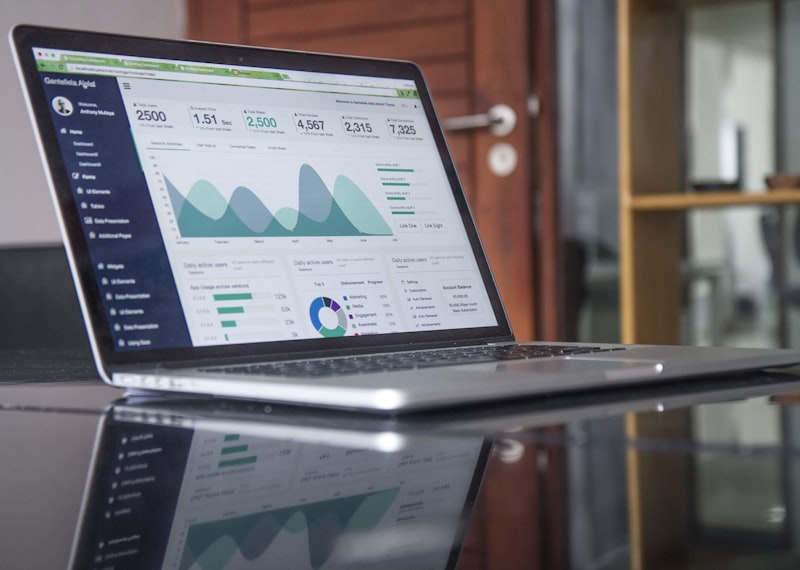
Counts, trends and flagged rates over time, useful for spotting a process issue upstream.
Review queue
Flagged cases gathered in one place with the image, so a person can confirm or dismiss quickly.
Model-agnostic build
Built so the underlying vision approach can be upgraded without rebuilding the integration.
See What a Model Trained on Your Site Would Catch
Book a free consultation. Share a few sample images from your process, and we will give you an honest read on feasibility.
Book a Free Consultation →