TCB Infotech | Expert Odoo & ERPNext Implementation Partner


Schedule Call With Us
Computer Vision

A Camera That Checks Every Unit, Not a Sample

Visual inspection by a person is thorough for the first hour and tired by the fourth. Custom computer vision watches a camera feed continuously, checking every unit, every gauge reading or every shelf for the pattern it was trained to catch, and flags the cases that need a closer look. A person still makes the call on anything flagged and on anything the model has not seen before.

50+ ERP and software projects. Zero failed projects since 2021.

Line Inspection, Camera 3
Illustrative
Metal components on a production line under inspection
Surface mark
Units checked, this shift
2,140
Flagged for review
17
Confirmed defects
6
Figures are illustrative
100%
Of units checked, not sampled
Continuous
Checking, no fatigue
6-10 wk
To a first working model
Human
Confirms every flagged case
Why It Matters

A person checking every unit is a person who gets tired

Visual inspection is one of the few tasks where attention genuinely degrades over a shift, and the cost of a miss compounds downstream.

Every Unit, Every Time

Consistency a person cannot maintain for eight hours

A camera does not lose focus in the last hour of a shift. It checks every unit the same way, flags what matches a known defect pattern, and leaves the final decision to a person who can now spend their attention on the cases that actually need it.

  • Every unit checked, not a sample of them.
  • Consistent standard applied across the whole shift.
  • Attention freed for the cases that need a person.
A production line being visually inspected
Flags, Does Not Decide

The model narrows the pile, a person makes the call

A model built for one specific check does that check well, but it should not be trusted with cases it has never seen. Anything below a confidence threshold, or genuinely new, is flagged for a person rather than passed or rejected automatically.

  • Confidence thresholds set with your quality team.
  • Unfamiliar cases routed to a person, not guessed at.
  • The model narrows attention, it does not replace judgement.
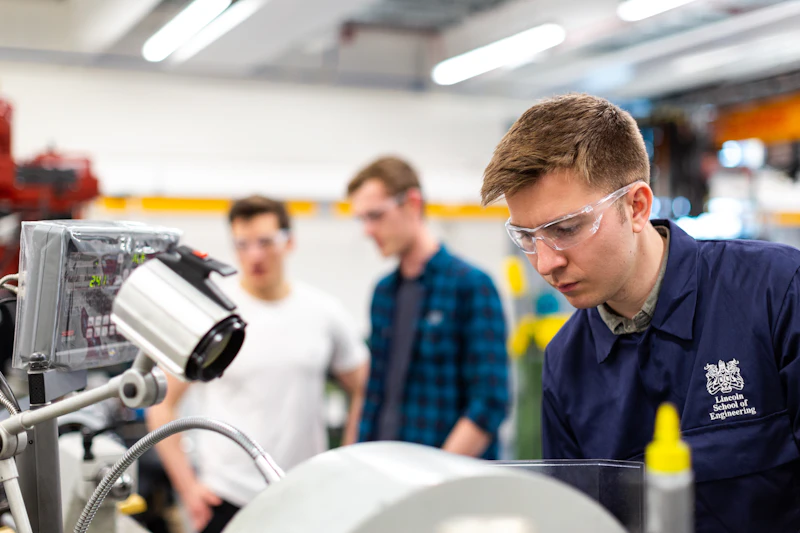
A quality inspector reviewing a flagged item
In Detection

What a flagged frame looks like

The camera view, the region flagged, and the counts for the shift so far.

Warehouse Stock Count, Aisle 4
Illustrative
Warehouse shelving being scanned for stock count
Empty slot
Bins scanned, this pass
312
Mismatches against system count
9
Confirmed by warehouse team
Pending
Figures are illustrative
How It Works

From a camera feed to a trusted model on your floor

1
Define the check
We agree exactly what the model should look for and what counts as a pass or a flag.
2
Collect and label images
We gather examples from your site of both normal and flagged cases, and label them.
3
Train and test
We train the model and test it against images it has not seen before its accuracy is measured.
4
Pilot on the floor
The model runs alongside your existing inspection process before it is relied on alone.
5
Deploy and retrain
It goes live with a review loop, and is retrained as new defect types or conditions appear.
What It Handles

The visual checks worth building a model for

Repetitive checks with a clear visual pattern are the best fit for a custom vision model.

🔍

Defect detection

Surface marks, misalignment or missing components spotted on a production line as units pass.

📊

Stock and inventory counting

Counting items on a shelf or in a bin from a camera feed instead of a manual walk-through.

📡

Gauge and meter reading

Reading analog or digital gauges from a camera where no direct data feed exists.

🛡

Safety compliance checks

Checking that required safety equipment is visibly worn in a monitored area.

🚚

Loading and dispatch verification

Confirming the right items and quantity are loaded against what was ordered.

📋

Document and label reading

Reading printed labels, barcodes or batch numbers directly from a camera view.

What Changes

What a working vision model changes

Every
Unit checked, not a sample
Consistent
Standard across every shift
Fewer
Defects reaching the customer
Faster
Counts and checks completed
Focused
Human attention on real exceptions
Logged
Evidence for every flagged case
Why Us

Why teams choose TCB Infotech for computer vision

1
Built and tested on your images
The model learns from your actual site conditions, not a generic dataset that does not match.
2
Honest about accuracy
We report tested accuracy plainly, and route uncertain cases to a person rather than guess.
3
Piloted before go-live
The model runs alongside your existing process first, so trust is earned before it runs alone.
4
Connected to your ERP
Flagged cases and counts can post directly into your systems, not sit in a separate tool.
5
Model-agnostic build
We use the approach that fits your images and hosting rules, with no lock-in to one vendor.
6
Proven delivery
50+ projects across industries, with zero failed projects since 2021.
FAQ

Computer vision questions

What is computer vision used for in business?
It is the use of AI to analyse images or video, such as spotting a defect on a production line, counting stock on a shelf, reading a gauge, or checking whether safety equipment is being worn. It replaces a person visually checking every unit with a camera that checks continuously and flags what needs attention.
How accurate is a custom vision model?
Accuracy depends on image quality, lighting and how varied the cases are, and we test it against your own images before it runs live. We report accuracy honestly rather than promise a number, and low-confidence cases are flagged for a person rather than decided automatically.
Does it replace quality inspectors?
No. It checks every unit for the patterns it was trained to catch and flags the ones that need a closer look. A person still makes the final call on flagged cases and on anything the model has not seen before.
What kind of camera setup is needed?
Often an existing camera or a standard industrial camera is enough. We assess your current setup first and recommend changes only where the image quality genuinely will not support reliable detection.
How much training data is required?
It varies by task, but a useful starting model can often be built from a few hundred to a few thousand labelled images of both normal and defective cases. We help collect and label this during the build.
How long does a first vision model take to build?
A first working model for one clearly defined check usually takes six to ten weeks, including data collection, labelling, training and testing on your own site before go-live.
In Short

A camera does not get tired, and it should not pretend to know everything

Computer vision is at its best on a narrow, repeated visual check where the pattern is clear and the volume is high enough that a person's attention genuinely degrades over time.

Built and tested on your own images, with a confidence threshold that hands uncertain cases to a person, a vision model earns trust the same way a good inspector does: by being consistent, and by knowing when to ask.

Find Out If Your Check Fits a Vision Model

Book a free consultation. Describe the visual check your team does repeatedly, and we will tell you honestly if it is a good fit.

Book a Free Consultation →

No commitment. A practical look at what a model could catch.