TCB Infotech | Expert Odoo & ERPNext Implementation Partner



What Is Inside a Forecasting Build
A forecast is only worth having if you know how it was built and how well it has performed. Here is how the history is prepared, how the models are tested, and what gets published every period.
From raw history to a projection your planning meeting can use
The forecast is only as good as the years behind it
We pull two to three years of transaction data and clean it properly: duplicate entries, missing months, one-off bulk orders and closures that would otherwise be read as a trend. That preparation is most of the work and it decides how well anything downstream performs.
- Gaps, duplicates and one-off events handled.
- Seasonality separated from underlying trend.
- Data pulled from ERP and other live sources.
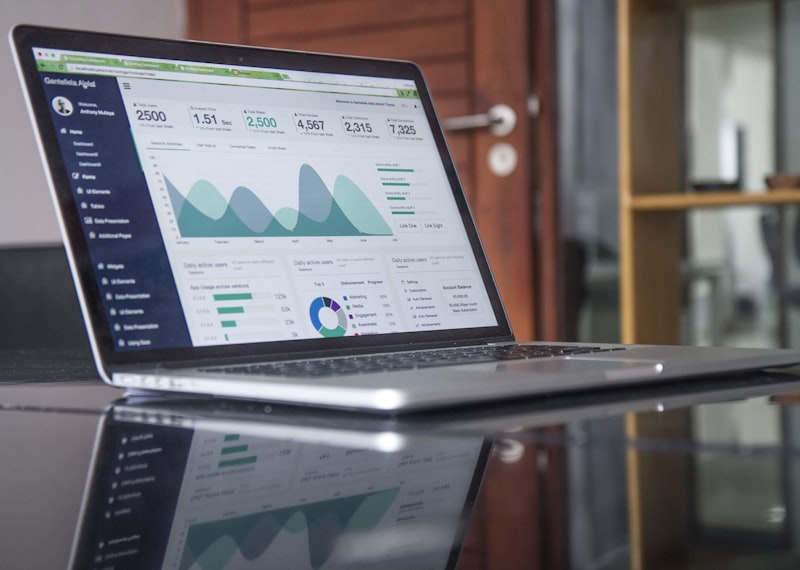
We check the model against periods you already know
Before any projection is published, the model is run against past periods where the actual result is known, and the error is measured. If a method does not hold up on your data, it does not ship. We fit the approach to your pattern rather than starting from a fixed technique.
- Accuracy measured on known history first.
- Method chosen to fit your data and horizon.
- Weak areas reported rather than papered over.
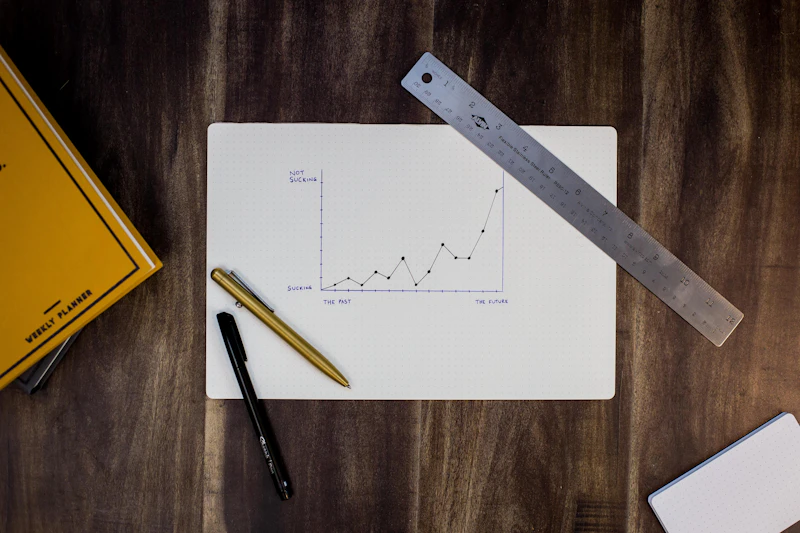
Every projection carries a range and its drivers
Each forecast is delivered with a confidence range, the drivers behind the number, and the assumptions applied, so your team can challenge it and adjust for what the data cannot see. Each period we compare the forecast against actuals and report the gap.
- A stated confidence range on every figure.
- Drivers and assumptions written out.
- Forecast against actual reported every period.

Everything the forecasting service delivers
Rolling projections
Revenue, cash, demand and capacity projected forward and refreshed as new data arrives.
Confidence ranges
An upper and lower case with every figure, so you can plan for the middle and prepare for the edge.
Driver breakdown
What is pushing each projection, from confirmed orders to seasonality and recent trend.
Scenario testing
Run a price change, a lost customer or a capacity addition through the model before committing.
Accuracy reporting
Forecast against actual published every period, so the model earns trust or gets retuned.
Feeds your systems
Projections can flow into planning, purchase and budgeting rather than sitting in a separate file.
See What Your History Can Project
Book a free consultation. We will look at the data you hold and scope a forecasting build around the decisions you need it for.
Book a Free Consultation →